

Inheriting a property is an important milestone, but it comes with a mix of emotions and responsibilities. While it can provide a valuable asset and financial security, it may also present unique challenges—especially when the property is shared among multiple heirs. Many homeowners in San Juan, TX, often ask themselves: “Can I sell my share of inherited property?”
Selling only a portion of a property can feel overwhelming because it’s not like selling a house you fully own. Unlike a full sale, selling a share requires navigating legal requirements, co-owner agreements, potential disputes, and financial considerations. However, with the right guidance, understanding your options, and careful planning, selling your inherited share can be both feasible and financially beneficial.
In this guide, we will take an in-depth look at all aspects of selling your inherited property share in San Juan, TX. You will learn about your legal rights, selling options, preparation steps, tax implications, potential challenges, and practical tips to ensure a smooth transaction. By the end, you’ll have a clear roadmap to successfully sell your share while protecting your interests.
Understanding Your Rights as a Co-Owner
What It Means to Inherit a Share
When you inherit property, you may not always receive full ownership. Often, multiple heirs inherit specific shares, making you a co-owner rather than a sole owner. Understanding this distinction is crucial before taking any steps to sell.
The most common legal arrangement for inherited property is tenants in common. Here’s what that means in practice:
- Each co-owner has a distinct, fractional interest in the property, which may or may not be equal.
- You have the legal right to sell your share independently, though this can sometimes be challenging because buyers often prefer full ownership.
- Each co-owner has rights that must be respected, including the right to occupy the property, approve major decisions, or receive a share of proceeds from a sale.
- Selling your share does not automatically dissolve other co-owners’ rights, which is why legal steps must be carefully followed.
In some rare cases, property may be held as joint tenancy with right of survivorship, meaning co-owners automatically inherit each other’s shares upon death. This setup is less common for inherited properties, but understanding the type of co-ownership is key to determining your selling strategy.
Legal Ownership Rules in Texas
Texas inheritance laws and probate regulations govern how property is distributed and how heirs can sell their shares. Here are the key points you should know:
- Probate Requirement: In most cases, property must pass through probate before heirs can claim full ownership rights. Probate ensures the property is legally transferred from the deceased to the rightful heirs.
- Determining Ownership Share: Your share is usually defined by the will or, if no will exists, by Texas intestate succession laws. Each co-owner’s share is proportional to their legal entitlement.
- Right to Sell: Texas law allows you to sell your share, but the transaction may require co-owner consent. If co-owners refuse, you may need to pursue a partition action in court.
- Responsibility to Other Owners: Selling your share can impact the remaining co-owners, especially if the property is mortgaged or has liens. Buyers may require clearances or approvals from all co-owners.
Understanding your rights and obligations under Texas law is the foundation for a successful sale. Consulting with a local real estate attorney can prevent costly mistakes and ensure compliance with all legal requirements.
Options for Selling Your Share
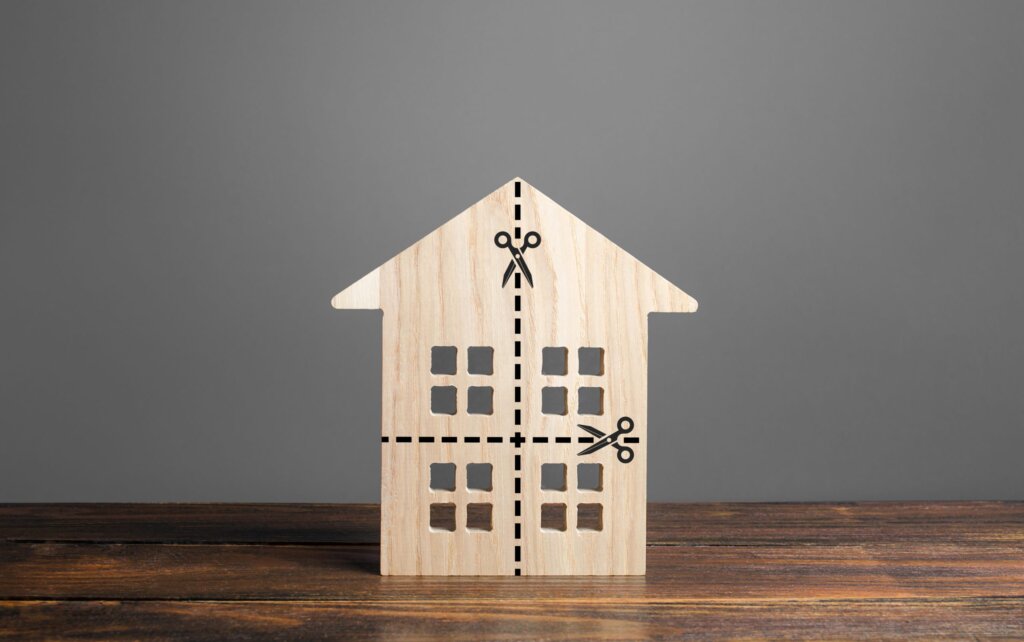
There are several ways to sell your inherited share, each with its own advantages, disadvantages, and considerations. Choosing the right method depends on your goals, urgency, and relationship with co-owners.
Selling to Co-Owners
Selling your share directly to co-owners is often the simplest and fastest method. This approach is straightforward because it avoids court involvement and allows for more flexible negotiations.
Steps to Sell to Co-Owners:
- Notify Co-Owners: Inform all co-owners of your intention to sell your share. Written communication is recommended to create a formal record.
- Right of First Refusal: Offer your share to existing co-owners before seeking outside buyers. Many agreements and legal frameworks favor co-owners having first access to the property.
- Negotiate Price: Determine a fair market value for your share through appraisal or market analysis. Co-owners may be more willing to negotiate since they already have an interest in the property.
- Execute the Sale: Once an agreement is reached, draft and sign a legally binding contract transferring your ownership share.
Pros and Cons Table:
| Option | Pros | Cons |
|---|---|---|
| Selling to Co-Owners | Quick sale, avoids court, maintains family harmony | May take time to reach agreement, possible disagreements on price |
| Selling to Outside Buyer | Potential to receive fair market value, broader buyer pool | Buyer may require co-owner approval, limited market for partial ownership |
| Partition Sale (Court-Ordered) | Ensures legal resolution, fair division of proceeds | Time-consuming, expensive, potential family conflicts |
By carefully following these steps and negotiating in good faith, selling to co-owners can be an efficient solution.
Selling to a Cash Buyer
A cash buyer is an alternative solution if selling to co-owners is not feasible. Cash buyers purchase properties quickly, often without requiring repairs or extensive negotiations.
Benefits of Selling to a Cash Buyer:
- Speed: Transactions can often be completed in days rather than weeks or months.
- As-Is Sale: The buyer purchases the property in its current condition, which eliminates the need for costly repairs or renovations.
- Reduced Complications: Cash buyers often handle legal and title issues, making it easier for you to sell your share without co-owner disputes.
Selling to a cash buyer can be ideal for heirs who want to quickly liquidate their share, reduce stress, or avoid complex legal procedures.
Partition Sale (Court-Ordered Sale)
If co-owners cannot agree on a sale, a partition sale may be necessary. This is a legal remedy that allows co-owners to force the sale of a property when other options have failed.
What Is a Partition Sale?
- A court orders the property to be sold.
- The proceeds are divided among co-owners based on their ownership percentages.
- Partition sales are often used as a last resort when negotiations fail.
Steps Involved:
- File a partition lawsuit in the appropriate Texas probate or civil court.
- The court reviews the property, ownership shares, and circumstances.
- If physical division is not feasible, the property is sold at auction or through a public sale.
- Each co-owner receives their share of the proceeds after deducting legal fees, taxes, and liens.
Partition sales ensure fairness but can take months or even years, depending on court schedules and complexity.
Steps to Prepare Your Inherited Property Share for Sale
Proper preparation is essential for a smooth and successful sale. Here are the steps to take:
Verify Your Ownership
- Check Probate Documents: Ensure that probate has legally recognized your share of the property. This is the official process that confirms you are a rightful heir and can sell your portion. For a complete guide to the probate process in Texas, visit the Texas State Law Library – Probate Guide.
- Review the Deed: Ensure your name is listed correctly as a co-owner.
- Confirm Legal Authority: Ensure no disputes exist regarding your ownership rights. Proper verification protects you from potential legal challenges during the sale.
Get a Property Valuation
Determining the fair market value of your share is crucial. Accurate valuation ensures you receive a fair price and minimizes disputes.
| Method | Description | Approx. Cost | Accuracy |
|---|---|---|---|
| Professional Appraisal | A licensed appraiser evaluates the property | $300–$600 | High |
| Comparative Market Analysis (CMA) | Compare recent property sales in San Juan, TX | $0–$100 (if DIY) | Medium |
Why It Matters: Without proper valuation, co-owners or buyers may contest the sale price, leading to delays or legal complications.
Communicate with Co-Owners
Clear and respectful communication is key to preventing disputes.
- Schedule a Discussion: Talk with co-owners about your intentions.
- Be Transparent: Explain your reasons for selling, whether financial, personal, or logistical.
- Document Agreements: Keep written records of all discussions and agreements.
- Negotiation Tips: Be flexible on timing and price to reach amicable arrangements.
Effective communication can save time, reduce costs, and maintain family relationships.
Legal and Tax Considerations
Probate and Estate Laws in Texas
Probate is the legal process that validates a will and transfers property to heirs. Key points:
- Property must usually pass through probate before sale.
- Simplified procedures may exist for small estates.
- A real estate attorney can guide you through filing requirements, timelines, and legal forms.
Tax Implications of Selling Your Share
Selling an inherited property can have significant tax consequences:
- Capital Gains Tax: Applies if the sale price exceeds the stepped-up basis of the property.
- Step-Up in Basis: The property’s value at the time of the previous owner’s death is considered your cost basis.
- Deductions: Some costs, such as legal fees, may be deductible.
For detailed IRS guidance on property inheritance and taxes, visit IRS Topic 701 – Capital Gains Exclusion.
Handling Liens or Debts on the Property
Before selling:
- Verify if any mortgages, tax liens, or HOA fees are attached to the property.
- Co-owners are typically responsible for a share of these debts.
- Buyers may require these obligations to be cleared before finalizing the purchase.
Challenges You May Face
Selling your inherited share involves unique hurdles:
- Co-owner Disagreements: Conflicting interests may lead to delays or litigation.
- Limited Buyer Pool: Partial ownership is less attractive to traditional buyers.
- Partition Sale Delays: Court proceedings can take months, adding time and expense.
- Emotional Conflicts: Family dynamics may complicate negotiations.
- Market Conditions: Property values in San Juan, TX, fluctuate, affecting sale timing and price.
Recognizing these challenges upfront allows you to plan effectively and minimize potential issues.
Tips for a Smooth Sale
To facilitate a smooth transaction:
- Keep Records: Document all communications and agreements in writing.
- Hire Professionals: Consider real estate attorneys, appraisers, or cash buyers familiar with inherited property.
- Use Cash Buyers: They simplify the sale process and purchase properties as-is.
- Set Realistic Expectations: Base your asking price on accurate valuation and market conditions.
- Understand Texas Laws: Be aware of probate, taxes, and co-owner rights.
Following these steps can prevent delays, disputes, and financial loss.
FAQs About Selling Your Share of Inherited Property
Q1: Can I sell my inherited property share in San Juan, TX without co-owners’ approval?
Yes, you can legally sell your share, but buyers may require co-owner consent. If co-owners refuse, a court-ordered partition sale can resolve the issue.
Q2: How do I determine the sale price of my inherited property share in San Juan, TX?
The sale price is usually based on your ownership percentage of the property’s fair market value. Professional appraisals or comparative market analyses ensure accurate pricing.
Q3: What happens if my co-owners don’t agree to sell my inherited property share?
If co-owners don’t agree, you can petition the court for a partition sale. The property is sold, and proceeds are divided among owners according to their shares.
Q4: Will I have to pay taxes when I sell my inherited property share?
Taxes depend on the sale price and the property’s stepped-up basis at inheritance. Capital gains tax may apply if your sale price exceeds this value.
Q5: How long does it usually take to sell an inherited property share in San Juan, TX?
Sales to co-owners can take a few weeks, while selling to outside buyers or through a partition sale may take several months, depending on legal and market factors.
Q6: Can a cash buyer purchase my inherited property share in San Juan, TX?
Yes, cash buyers can purchase your share quickly and as-is, which is ideal if co-owners cannot agree or if you want a faster, hassle-free sale.
Local Considerations in San Juan, TX
San Juan’s real estate market affects inherited property sales:
- Market Trends: Understanding recent sales and property demand can guide pricing.
- Neighborhood Differences: Prices vary by location, property type, and condition.
- Local Regulations: Zoning, HOA rules, and municipal requirements may influence sales.
- Buyer Availability: Working with local agents or cash buyers familiar with San Juan properties increases chances of a faster sale.
Case Study Example (Hypothetical)
Consider a family that inherits a home valued at $200,000 in San Juan:
- Three heirs, each owning 1/3 ($66,666).
Scenario 1 – Co-Owner Sale:
- One sibling buys your share for $66,666.
- Fast, avoids court, and maintains family harmony.
Scenario 2 – Cash Buyer:
- A cash buyer purchases your share for $65,000.
- Transaction completed quickly without repairs.
Scenario 3 – Partition Sale:
- Co-owners disagree.
- Court orders sale for $210,000.
- Each heir receives $70,000 after fees.
This illustrates how each option affects timing, proceeds, and complexity.
Conclusion
Selling your inherited share of property in San Juan, TX, is entirely possible with careful planning and the right approach. At EMR Investments LLC, we understand the challenges that come with inherited properties and co-ownership situations. By knowing your rights under Texas inheritance laws, exploring all selling options—whether selling to co-owners, cash buyers, or through a partition sale—and preparing your legal and financial documents, you can complete the sale efficiently and confidently.
With guidance from EMR Investments LLC, you can maximize your proceeds, minimize conflicts, and ensure a smooth, hassle-free transaction. Taking these steps will help you turn your inherited property share into cash while protecting your interests every step of the way.