

Inheriting a property can be both a blessing and a burden. While it offers an asset, the process of selling an inherited house can be complicated. If you’re in Rio Grande Valley, TX, and are looking to sell an inherited property quickly, there are specific steps and considerations you should know. This guide will provide a comprehensive overview of how to sell your inherited home fast, including legal considerations, pricing, repair decisions, and how to find the best buyers.
Why Selling an Inherited House Can Be Challenging in Rio Grande Valley, TX
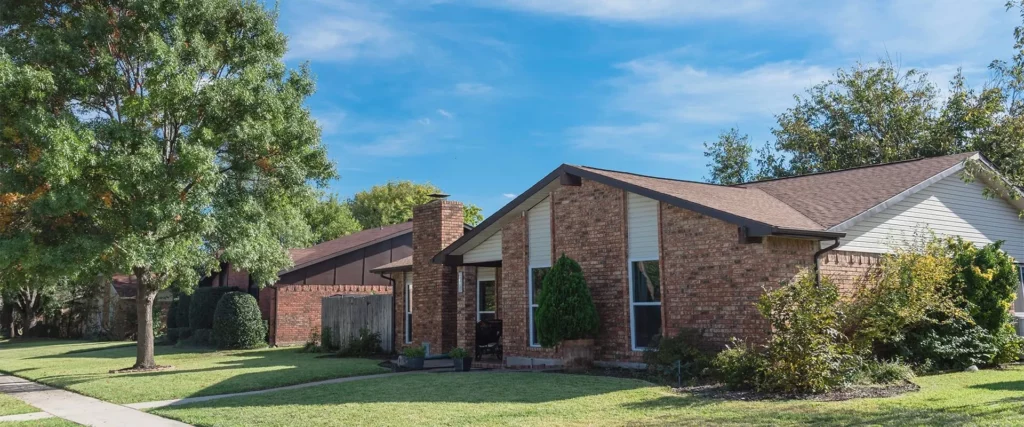
Inheriting a property often comes with a slew of challenges. First and foremost, there’s the emotional aspect of parting with a family home. The sentimental value tied to the property can cloud decision-making and make the process feel more complicated. On top of that, the logistical and financial burdens of handling an inherited home can add stress to an already difficult time. Here are some common challenges you may face:
1. Emotional Attachment
Inheriting a family home can carry emotional weight. Memories attached to the house can make the idea of selling difficult, even if you recognize that it’s the best option. This emotional attachment can lead to indecision, which may delay the sale process and make it harder to move forward.
2. Legal and Probate Issues
The probate process in Texas can be time-consuming and complex. If the property is subject to probate, you will need to go through legal steps to transfer ownership before selling the house. This process may take several months depending on the size of the estate and any challenges to the will.
3. Property Condition and Repairs
Often, inherited homes are in need of repairs. Whether the house has been vacant for a while or simply hasn’t been maintained, many inherited homes are not in top condition. Deciding whether to repair the home or sell it as-is can be a major decision point in the process. The cost and time commitment of repairs can be a deterrent for many sellers, especially if they are looking to sell quickly.
4. Financial and Tax Concerns
Owning an inherited property comes with ongoing costs, such as taxes, insurance, and utilities. These costs can quickly add up, especially if the house is not being used or generating any income. Additionally, you may face capital gains taxes when you sell the property, depending on its value and the duration of your ownership.
Understanding these challenges is essential to navigating the process of selling an inherited house quickly in the Rio Grande Valley. By knowing the common hurdles and what to expect, you can make informed decisions that will help you move forward with the sale process.
How to Sell an Inherited House Fast: A Step-by-Step Guide
Step 1: Understand the Legal Process of Inherited Property
Before you can sell an inherited house, it’s crucial to understand the legal process involved. In Texas, the probate process must be completed before the property can be sold if the estate is not in a living trust.
Probate Process in Texas
Probate is the legal process by which the ownership of a deceased person’s property is transferred to their heirs. In Texas, the probate process can be complex and lengthy, especially if there are multiple heirs or disputes over the will. It can take anywhere from a few months to over a year to complete probate. If the estate is in a living trust, the process may be faster.
To avoid delays, it’s essential to work with an estate attorney who can help guide you through probate and ensure all legal requirements are met. Once probate is complete, the property’s title can be transferred, allowing you to move forward with the sale.
Can You Sell the Property Before Probate is Complete?
In some cases, it is possible to sell the house before probate is fully completed. However, this typically requires the approval of the court or the estate’s executor. If you’re eager to sell quickly, be sure to consult with your attorney to see if this is a viable option.
If you’re interested in learning more about handling the legal complexities of selling an inherited house, check out our detailed guide on How to Sell an Inherited House During Probate in Rio Grande Valley, TX.
Step 2: Decide Whether to Sell As-Is or Make Repairs
Before you sell, it’s important to assess the house’s condition. Many inherited properties require significant repairs and updates, especially if the property has been vacant for some time. Here are a few key factors to consider:
Repairs and Renovations
Inherited homes often come with deferred maintenance. Whether it’s outdated plumbing, roofing issues, or a lack of modern amenities, you’ll need to evaluate how much work needs to be done before listing the house. In some cases, making repairs may increase the sale price, but this comes with time and expense.
Selling As-Is
If you’re not willing or able to make repairs, selling the house as-is is a viable option. Cash buyers are often interested in purchasing homes in any condition, meaning you won’t need to worry about making repairs before the sale. If you choose this route, the sale will likely be faster, though you may receive a lower offer compared to a traditional sale.
Learn more about selling your home as-is by reading How to Sell an Inherited Property As-Is in Rio Grande Valley, TX: A Step-by-Step Guide.
Step 3: Choose the Best Selling Method
When selling an inherited house, you have several options. You can go the traditional route with a real estate agent, sell it yourself, or consider selling to a cash buyer. Let’s look at the pros and cons of each:
Traditional Sale via Realtor
Working with a real estate agent is a common method for selling inherited homes, but it’s not always the fastest. Traditional home sales can take 30 to 60 days to close, and there are often significant costs involved. You may also need to make repairs and clean the property before listing it.
- Pros: Potentially higher sale price, professional marketing, help with negotiations.
- Cons: Time-consuming, commissions (typically 5-6%), repair costs, and closing fees.
Selling Directly to a Cash Buyer or Investor
If you want to sell quickly, working with a cash buyer or house buying company near you might be the best option. Cash buyers typically offer a quick sale, often within 7-14 days, without requiring repairs or extensive paperwork. This route is ideal for those who need to sell fast and avoid the complexities of the traditional selling process.
- Pros: Fast closing (7-14 days), no repairs or cleaning needed, no commissions or fees.
- Cons: Cash offers might be lower than the market value.
Read more about selling without a realtor in Selling an Inherited Home Without a Realtor in Rio Grande Valley, TX: Pros and Cons.
Step 4: Know the Costs Involved in Selling an Inherited House
When selling an inherited house, there are several costs to consider. These can vary depending on the method you choose to sell and the condition of the property. Here are some common costs to keep in mind:
Agent Commissions
If you decide to work with a realtor, you’ll likely pay 5-6% in commission fees. For example, if your home sells for $200,000, you could pay around $12,000 in agent fees.
Repairs and Renovations
As mentioned earlier, repairs can add significant costs. Depending on the condition of the home, repairs could cost anywhere from a few thousand dollars to tens of thousands. However, selling as-is can help you avoid these costs.
Closing Costs
Even in a cash sale, there are still some closing costs. These can include title insurance, transfer taxes, and attorney fees. Typically, closing costs range from 2-5% of the sale price.
Step 5: How to Deal with Multiple Heirs When Selling an Inherited House
In some cases, an inherited house will be shared by multiple heirs, each of whom may have different opinions on what should happen with the property. When multiple parties are involved, the sale process can become complicated. Here’s how to handle situations where multiple people are involved:
Communicating with All Heirs
It’s crucial to have open communication with all parties involved in the sale of the inherited house. The first step is to have a meeting (whether in person or virtually) to discuss the sale. Agreeing on the method of sale—whether it’s to a real estate agent, a cash buyer, or another option—is key.
The Importance of a Written Agreement
When dealing with multiple heirs, it’s important to have everything in writing. A written agreement between all parties ensures that there’s a clear understanding of how proceeds from the sale will be distributed and who will make decisions during the process. Without a clear agreement, there can be disagreements that slow down or derail the sale process.
Working with an Executor or Estate Administrator
If the property was left in a will and is still undergoing probate, an executor or estate administrator will likely need to be involved. The executor is responsible for ensuring that the sale goes through and that the proceeds are distributed as outlined in the will. If you’re dealing with multiple heirs, an estate attorney can help mediate the process and ensure that the sale happens smoothly.
Step 6: Can You Sell an Inherited House with Tenants in Rio Grande Valley, TX?
Selling a property with tenants can introduce additional complexity, but it doesn’t have to stop you from selling quickly. Whether the tenants are renters or family members, there are steps you can take to ensure the sale goes smoothly.
1. Review the Lease Agreements
Before moving forward with the sale, you’ll need to review the lease agreements in place. In Texas, tenants have certain rights, so it’s important to understand the terms of the lease and how they may affect the sale. For example, if the tenants have a long-term lease, they may have the right to remain in the property until the lease expires.
2. Giving Proper Notice to Tenants
Once the decision to sell has been made, it’s essential to provide proper notice to the tenants. According to Texas law, tenants must receive a 30-day notice to vacate if you plan to sell the property. If the tenants do not vacate by the end of this period, you may need to go through the formal eviction process, which can take additional time and incur extra costs.
3. Selling with Tenants in Place
In some cases, it may be possible to sell the home with tenants in place. This is especially true if the tenants have been paying rent regularly and maintaining the property. Some buyers may even be interested in purchasing rental properties with existing tenants, especially if they are looking for a turnkey investment.
If you are facing the challenge of selling an inherited home with tenants in place, we recommend checking out How to Sell an Inherited House with Tenants in Rio Grande Valley, TX for more details on handling this situation.
Step 7: Understanding the Tax Implications of Selling an Inherited House in Rio Grande Valley, TX
Selling an inherited house may have tax consequences that need to be understood before you make a decision. In the case of inherited property, the tax rules are different from those that apply to other property sales, so it’s essential to know what you’re dealing with.
Capital Gains Tax
One of the primary taxes that come into play when selling an inherited home is capital gains tax. In Texas, you are not taxed on the value of the home at the time of inheritance. Instead, you are taxed on the difference between the sale price and the “stepped-up” basis. The stepped-up basis is the value of the home at the time of the deceased’s passing, which may be significantly higher than the original purchase price.
For example, if your inherited home is valued at $250,000 at the time of inheritance, and you sell it for $275,000, your capital gains tax will be based on the $25,000 difference. Since the property was inherited, you may qualify for a reduced tax rate, which is generally more favorable than the tax rate for properties that you own and sell.
For more detailed information on how the step-up in basis works and its impact on capital gains tax when selling inherited property, refer to the IRS Guide on Basis of Inherited Property.
Property Taxes
Even if you inherit a property, you may still be responsible for paying property taxes. It’s essential to ensure that these taxes are up to date before listing the property for sale. Unpaid property taxes can result in liens on the property, which may complicate the sale process. Work with a tax professional to ensure that everything is in order.
Inherited Property Exemption
Some states offer exemptions or deductions when selling an inherited property. While Texas does not offer a specific inheritance tax, understanding how capital gains taxes apply can help you minimize any tax liabilities when selling your inherited home.
If you’re concerned about the tax implications of selling your inherited house, be sure to consult with a tax advisor or accountant. You can also find more details about the potential tax impacts in Can You Sell an Inherited House Without Going Through Probate in Rio Grande Valley, TX?.
The Benefits of Selling an Inherited House for Cash in Rio Grande Valley, TX
Selling an inherited home for cash offers several advantages, especially if you need to close quickly. Cash buyers typically handle all the paperwork and closing costs, making the process smoother and less stressful. Plus, you won’t need to worry about repairs or cleaning before the sale.
For many homeowners, the appeal of a fast, no-hassle transaction is the best reason to sell to an investor. If you’re looking for a fast and reliable option, check out our article on The Benefits of Selling an Inherited House for Cash in Rio Grande Valley, TX.
Common Mistakes to Avoid When Selling an Inherited House in Rio Grande Valley, TX
Selling an inherited property comes with its own set of potential pitfalls. One of the biggest mistakes sellers make is failing to understand the full scope of the probate process or neglecting to get a proper home valuation before deciding on a sale price.
Another common mistake is overvaluing the property or refusing to accept a lower cash offer in favor of waiting for a better price. This can delay the process and result in additional carrying costs. Avoiding these mistakes can save time and money, and ensure that you are able to close on your sale quickly.
Learn more about how to avoid common mistakes by checking out Common Mistakes to Avoid When Selling an Inherited House in Rio Grande Valley, TX.
Frequently Asked Questions (FAQs)
Q. How long does it take to sell an inherited house in Rio Grande Valley, TX?
Answer: It can take anywhere from a few weeks to several months, depending on whether the house requires repairs or is subject to probate. Working with a cash buyer can speed up the process to just 7-14 days.
Q. Can I sell an inherited house as-is in Rio Grande Valley, TX?
Answer: Yes, you can sell an inherited house as-is. Cash buyers are typically interested in buying homes in any condition, which allows you to skip costly repairs and avoid delays.
Q. Do I need to go through probate before selling an inherited house in Rio Grande Valley, TX?
Answer: In most cases, you’ll need to go through probate to transfer ownership of the house unless it’s in a living trust. However, there are ways to sell the property before probate is fully completed with court approval.
Q. What are the tax implications of selling an inherited house in Rio Grande Valley, TX?
Answer: You may be subject to capital gains tax if the property has appreciated in value since the date of inheritance. Consult with a tax professional to understand your specific tax obligations.
Q. Is it better to sell an inherited house with a realtor or to a cash buyer in Rio Grande Valley, TX?
Answer: Selling to a cash buyer can be faster and less stressful as it eliminates the need for repairs, realtor commissions, and long waits. If you need a quick sale, a cash buyer is often the best choice.
Q. Can I sell an inherited house with tenants in Rio Grande Valley, TX?
Answer: Yes, you can sell an inherited house with tenants, but you’ll need to comply with Texas rental laws. If you’re selling to a cash buyer, they will typically assume the tenant situation without any issues.
Conclusion: Is Selling an Inherited House for Cash the Best Option?
Selling an inherited house fast in Rio Grande Valley, TX, is often the best option if you’re looking to avoid ongoing costs and stress. While the traditional sale process through a realtor can be time-consuming and costly, selling to a cash buyer provides a quicker, hassle-free solution. By weighing your options and understanding the legal process, the condition of the property, and the costs involved, you can make the best decision for your unique situation.
If you’re ready to sell fast, sell my house fast and avoid the hassle, consider working with a trusted investor like EMR Investments LLC. We buy houses in any condition, and we offer fair, no-obligation cash offers. Selling directly to us allows you to bypass repairs, realtor fees, and long waiting periods, giving you the peace of mind that comes with a quick and straightforward sale.