
Owning a home comes with responsibilities. One of the most important is keeping the property safe and compliant with local building codes. If your house has code violations and you choose to ignore them, the consequences can grow quickly — both financially and legally.
Many homeowners in Rio Grande Valley delay repairs because of cost, time constraints, or uncertainty about what to do next. However, unresolved violations rarely disappear on their own. In most cases, they escalate.
Short Answer:
If you don’t fix code violations on your Rio Grande Valley home, you could face daily fines, legal action, property liens, difficulty selling, reduced home value, and even possible condemnation. Acting early often prevents long-term financial damage.
This guide explains exactly what happens when violations go unresolved, your available options, and how to protect your finances before the situation becomes overwhelming.
Understanding Code Violations in Rio Grande Valley
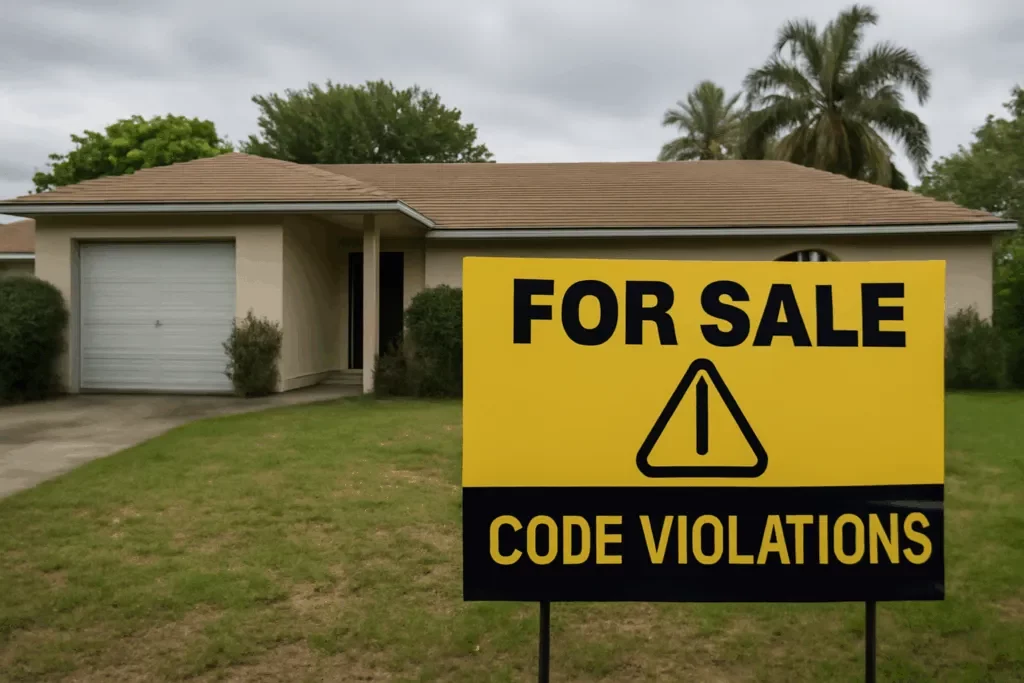
Code violations occur when a property fails to meet local safety, building, or maintenance standards established by city or county authorities. These rules exist to protect homeowners, neighbors, and the broader community.
In fast-growing regions like Rio Grande Valley, municipalities actively enforce these codes to maintain property values and ensure safe living conditions.
Common Causes of Code Violations
Most violations fall into predictable categories:
- Structural damage such as cracked foundations or unsafe decks
- Faulty electrical wiring
- Plumbing leaks or sewer issues
- Roof deterioration
- Unpermitted additions or conversions
- Broken windows or unsafe entry points
- Overgrown vegetation
- Accumulated debris
- Mold or hazardous living conditions
Sometimes violations develop gradually. A small maintenance issue ignored for years can eventually trigger an official notice.
Other times, violations are discovered after:
- A neighbor complaint
- A routine inspection
- Storm damage
- Fire incidents
- Property inheritance
- Tenant reports
Regardless of how the violation is identified, once it is on record, it typically must be resolved.
What Happens If You Ignore Code Violations?
Ignoring violations often creates a chain reaction. What begins as a manageable repair can quickly evolve into a serious financial burden. Many Texas municipalities impose recurring fines until the issue is corrected, and continued noncompliance can lead to civil penalties, liens, or other enforcement actions, as outlined by the Texas Department of Licensing and Regulation’s enforcement and sanctions policies.
Daily Fines Can Add Up Quickly
Many Texas municipalities impose recurring fines until the issue is corrected.
Example Cost Escalation
| Time Ignored | Likely Outcome | Estimated Financial Impact |
|---|---|---|
| First notice | Warning or small penalty | $100 – $500 |
| 30–90 days | Repeated citations | $500 – $2,000 |
| 3–6 months | Increased penalties | $2,000 – $5,000 |
| 6–12 months | Legal involvement | $5,000+ |
| Over 1 year | Lien placement | Paid during sale |
Even modest daily fines can snowball into thousands of dollars.
Many homeowners underestimate how fast this happens.
The City May Place a Lien on Your Property
A lien is a legal claim against your property for unpaid debts related to violations.
Important:
You typically cannot sell or refinance your home until the lien is cleared.
When the property eventually sells, the debt is usually paid directly from the proceeds before you receive any funds.
This can significantly reduce your net profit.
Legal Action Is a Real Possibility
If violations remain unresolved, municipalities can escalate enforcement.
Possible outcomes include:
- Mandatory court appearances
- Legal judgments
- Additional penalties
- Forced repair orders
- Responsibility for city repair costs
In severe cases, the city may perform the repairs and bill the homeowner.
These charges are rarely inexpensive.
Risk of Property Condemnation
Condemnation is one of the most serious consequences.
When a home is condemned, officials declare it unsafe for occupancy.
This may require:
- Immediate vacancy
- Major repairs
- Demolition in extreme cases
Federal and local inspectors follow strict safety and habitability standards, such as the National Standards for the Physical Inspection of Real Estate (NSPIRE), to determine whether a property meets minimum requirements.
Why Code Violations Get Worse Over Time
Waiting rarely improves the situation. In fact, delays typically make everything more expensive.
The Financial Snowball Effect
Consider this progression:
Minor repair → Fine → Larger penalty → Legal fees → Lien → Reduced sale profit
What could have been a $1,500 repair may eventually cost $10,000 or more.
Shrinking Buyer Pool
Most traditional buyers want move-in-ready homes.
Properties with violations often:
- Fail inspections
- Scare away mortgage lenders
- Require negotiation concessions
Fewer buyers mean less competition — and often lower offers.
Increasing Stress
Unresolved violations can create ongoing anxiety. Letters from the city, court notices, and financial uncertainty can weigh heavily on homeowners.
Addressing the issue early often restores peace of mind.
Can You Still Sell a House With Code Violations in Texas?
Yes. Selling a home with violations is legal in Texas. However, the path to closing may look different.
Many buyers require full disclosure before purchase. Texas law mandates that sellers provide a Seller’s Disclosure Notice, which details known property defects and code violations.
Why Traditional Buyers Hesitate
Many financed buyers encounter obstacles such as:
- Loan approval issues
- Insurance restrictions
- Safety requirements
- Inspection failures
Lenders typically avoid properties that present risk.
As a result, deals often collapse before closing.
How Code Violations Impact Home Value
| Property Condition | Buyer Interest | Negotiation Power |
|---|---|---|
| Fully compliant | High | Seller advantage |
| Minor violations | Moderate | Balanced |
| Multiple violations | Low | Buyer advantage |
| Unsafe property | Very low | Limited options |
The more severe the violations, the more leverage shifts toward the buyer.
Average Cost to Fix Common Code Violations
Repair expenses vary depending on severity and contractor rates.
| Violation Type | Typical Cost Range |
|---|---|
| Roof replacement | $7,000 – $15,000 |
| Electrical upgrades | $2,000 – $10,000 |
| Foundation repair | $4,000 – $20,000 |
| Plumbing overhaul | $3,000 – $12,000 |
| HVAC replacement | $5,000 – $11,000 |
| Structural repairs | $5,000+ |
For many homeowners, these costs arrive unexpectedly — especially after job loss, relocation, inheritance, or financial hardship.
Your Options If You Cannot Afford Repairs
Feeling stuck is common, but homeowners usually have several paths forward.
Option 1: Fix the Violations
Best for: homeowners with savings, strong credit, or access to financing.
Pros
- Higher potential sale price
- Broader buyer pool
- Easier financing for buyers
Cons
- Large upfront investment
- Project delays
- Contractor challenges
- Risk of uncovering additional problems
Renovations often take longer than expected.
Option 2: Request More Time
Some municipalities may grant extensions depending on the situation.
You might qualify if:
- Repairs are underway
- Financial hardship is documented
- Weather delayed construction
However, extensions are not guaranteed, and fines may continue accumulating.
Option 3: Sell the Property As-Is
Selling as-is means transferring the property in its current condition without completing repairs.
This approach has become increasingly common for distressed homeowners.
Why Many Sellers Choose This Route
- Avoid major repair expenses
- Prevent escalating penalties
- Reduce holding costs
- Close faster
- Simplify the process
While offers may reflect the property’s condition, many homeowners find the trade-off worthwhile.
Warning Signs You Should Act Quickly
Some indicators suggest waiting could worsen the situation:
- You received a formal violation notice
- Fines are increasing
- Repairs exceed your budget
- The property is vacant
- You plan to move soon
- Managing the property feels overwhelming
Waiting rarely makes the situation cheaper.
The Hidden Costs of Holding Onto a Non-Compliant Property
Beyond fines and repairs, there are less obvious expenses.
Ongoing Property Costs
Even distressed homes require:
- Property taxes
- Insurance
- Utilities
- Yard maintenance
- Security measures
Vacant homes are particularly vulnerable to vandalism and weather damage.
Opportunity Cost
Money tied up in a struggling property cannot be used elsewhere — whether for a new home, investments, or debt reduction.
Emotional Impact Many Homeowners Don’t Expect
Financial strain is only part of the story.
Code violations often bring emotional pressure such as:
- Embarrassment
- Uncertainty
- Decision fatigue
- Family stress
For inherited homes, emotions can be even more complex.
Recognizing this burden is important. Solutions should improve both financial and personal well-being.
Situations Where Selling Quickly May Make Financial Sense
Every homeowner’s situation is unique, but selling sooner rather than later often becomes logical when:
- Repair costs exceed available savings
- The home has major structural damage
- You inherited a property you do not want to manage
- You are relocating for work
- Tenant problems persist
- Financial hardship is growing
Sometimes preserving equity matters more than maximizing price.
Steps to Take After Receiving a Code Violation Notice
If you recently received a notice, consider this action plan:
1. Read the Notice Carefully
Understand deadlines and required corrections.
2. Contact the Local Code Office
Clarify expectations and ask questions.
3. Get Repair Estimates
Knowing real costs helps guide your decision.
4. Evaluate Your Budget
Determine whether repairs are realistic.
5. Explore Selling Options Early
More time usually means more flexibility.
Proactive homeowners typically retain more control over the outcome.
How Buyers Evaluate Homes With Violations
Investors and experienced buyers often assess:
- Severity of repairs
- Estimated renovation costs
- After-repair value
- Local market trends
- Timeline risks
Understanding this perspective helps set realistic expectations.
Mistakes Homeowners Often Make
Avoid these common pitfalls:
Waiting Too Long
Delays usually increase financial pressure.
Underestimating Repair Costs
Projects frequently exceed initial estimates.
Ignoring Official Notices
This can accelerate enforcement.
Starting Repairs Without Permits
Unpermitted work can create additional violations.
Letting Emotions Drive Decisions
Objective evaluation leads to better outcomes.
Frequently Asked Questions
Q. Can you sell a house with code violations in Rio Grande Valley, TX?
Yes. Selling a home with code violations is legal, but many traditional buyers may hesitate due to repair costs and financing restrictions. Some sellers choose faster alternatives to avoid fixing the issues before closing.
Q. Do code violations go away when you sell a house?
No. Violations usually stay attached to the property until they are corrected or paid. Any unpaid fines or liens are often settled during closing, which can reduce the seller’s final proceeds.
Q. How much can code violation fines cost in Texas?
Fines vary by city and severity, but they can range from a few hundred to several thousand dollars. Some municipalities charge daily penalties, causing the total amount owed to increase quickly.
Q. Will code violations affect my home’s value?
Yes. Violations often reduce buyer interest because they signal additional repair expenses and potential risk. When demand drops, sellers typically have less negotiating power.
Q. Can a home be condemned for unresolved code violations?
Yes. If violations create serious safety hazards, local authorities may declare the property uninhabitable. This can require residents to move out until major repairs are completed.
Q. Is fixing code violations always necessary before selling?
Not always. If repair costs are high, some homeowners decide selling the property in its current condition is more practical than investing in extensive renovations.
When Repairing May Still Be Worth It
Despite the challenges, repairs sometimes make financial sense — particularly when violations are minor and the housing market is strong.
You might benefit from fixing the property if:
- Issues are inexpensive
- The home is in a desirable neighborhood
- Comparable homes sell at premium prices
- You have reliable contractors
Careful math should guide the decision.
A Simple Decision Framework
Ask yourself:
✅ Can I comfortably afford the repairs?
✅ Will the improvements significantly increase value?
✅ Do I have time to manage renovations?
✅ Am I prepared for unexpected costs?
If multiple answers are “no,” exploring alternative paths may be wise.
Final Thoughts
Ignoring code violations on a Rio Grande Valley home can lead to escalating fines, legal complications, reduced property value, and unnecessary stress. While some homeowners choose to invest in repairs, others find that selling before the situation worsens is the more practical financial decision.
If you are unsure which path makes the most sense, exploring your options with EMR Investments LLC can provide clarity and help you better understand what your property may be worth in its current condition. Having the right information allows you to act confidently, protect your equity, and move forward without prolonged uncertainty.
No matter your circumstances, taking action sooner rather than later often gives you more control over the outcome and helps prevent small issues from becoming major financial burdens.