
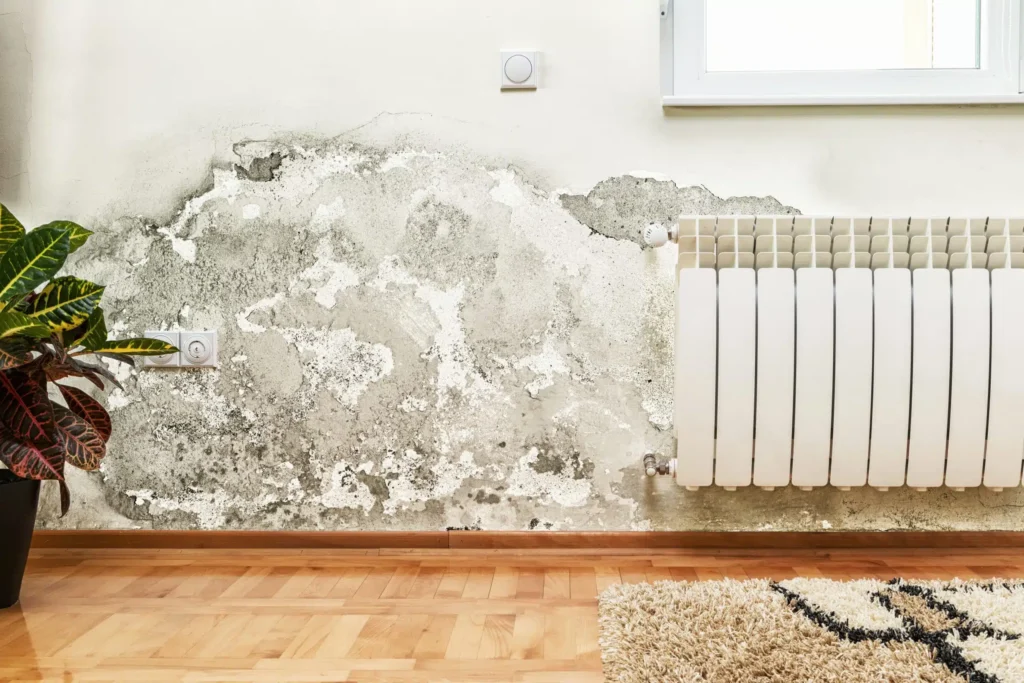
A roof leak in an unused bedroom. Moisture behind a bathroom wall. Dark spots discovered while cleaning out an inherited house. Mold problems often appear just when a homeowner is preparing to sell.
If you own a property in McAllen, Edinburg, Mission, Pharr, or elsewhere in the Rio Grande Valley, mold does not automatically make the house unsellable. It does mean you should understand what is causing the moisture, how much the full repair may cost, and which selling option gives you the best overall outcome.
Some homeowners are better off repairing the problem and listing traditionally. Others decide that selling the property as-is makes more financial and practical sense.
Quick Answer: Can You Sell a House With Mold in Rio Grande Valley, TX?
Yes. You can sell a house with mold problems in the Rio Grande Valley. You may remediate the mold before listing, list the property as-is, or sell directly to a buyer willing to handle the repairs. The right choice depends on the extent of the damage, repair costs, property condition, timeline, and expected net proceeds.
Selling as-is does not automatically remove applicable Texas disclosure responsibilities, so known property-condition issues should be handled carefully.
Mold Is Often a Symptom, Not the Whole Problem
Visible mold is often only one part of a larger moisture issue.
According to the U.S. Environmental Protection Agency, controlling moisture is a key part of controlling mold. That means the first question should not simply be:
“How much will mold removal cost?”
A better question is:
“Where is the moisture coming from, and what else needs to be repaired?”
The source could be:
- A roof leak
- A plumbing leak
- HVAC condensation or drainage problems
- Water intrusion around windows or exterior walls
- Previous storm or rain damage
- Bathroom ventilation problems
- Long-term moisture in a vacant property
A small visible area may be relatively manageable. In another home, removing drywall could reveal damaged insulation, flooring, framing, or plumbing.
That is why homeowners should price the entire repair problem, not only the visible mold.
Your total project could involve:
- Fixing the moisture source
- Mold assessment or remediation
- Removing damaged materials
- Replacing drywall, flooring, insulation, or cabinetry
- Painting and finishing
- Cleaning
- Additional repairs discovered during the work
- Preparing the property for showings and inspections
If the house already needs extensive work, review EMR Investments LLC’s guide to selling a Rio Grande Valley house with major repairs.
Do You Have to Remove Mold Before Selling a House in Texas?
Not necessarily.
A homeowner may be able to sell a mold-affected property without completing remediation first. However, selling as-is does not mean applicable seller-disclosure requirements disappear.
Texas Property Code §5.008 provides a seller-disclosure framework for many residential transactions, subject to statutory exceptions. Homeowners can also review the current Texas Real Estate Commission Seller’s Disclosure Notice.
Texas law also addresses previous professional mold remediation. If a qualifying mold-remediation certificate was issued for the property during the five years before the sale, the property owner is generally required to provide the buyer with a copy.
If mold, water damage, previous remediation, or disclosure requirements are unclear, speak with an appropriate Texas real estate attorney, licensed agent, or title professional before closing.
Your Main Options for Selling a Mold-Damaged House
The best route depends on how serious the problem is and how much work the rest of the property needs.
Option 1: Fix the Moisture Problem and Remediate Before Listing
Repairing first may be sensible when the affected area is limited and the rest of the house is in good condition.
Imagine an occupied Edinburg home where a recent plumbing leak affected one bathroom wall. The leak is easy to repair, the damaged materials are contained, and the rest of the property is market-ready.
In that situation, completing the repairs may preserve access to a larger pool of traditional buyers.
Repairing before listing may deserve consideration when:
- The moisture source is straightforward
- The affected area is limited
- The property is otherwise in good condition
- You have funds available
- You have time to coordinate the work
- The expected increase in net proceeds justifies the cost
For larger projects, Texas mold-remediation licensing or notification rules may apply. Review the Texas Department of Licensing and Regulation mold requirements before beginning significant professional remediation.
Option 2: List the House As-Is
Another option is to place the property on the market without agreeing to complete major mold-related repairs before closing.
An as-is listing may work when the home still has enough market appeal to attract buyers who are comfortable with renovations.
You may still have to deal with:
- Showings
- Inspections
- Buyer negotiations
- Financing contingencies
- Appraisal concerns
- Requests for credits or price adjustments
Selling as-is can reduce the amount of work you agree to perform, but it does not guarantee that buyers will ignore the condition of the property.
For a broader explanation, see Sell a House in Any Condition in Rio Grande Valley.
Option 3: Sell Directly to a Cash Home Buyer
Some investors purchase properties with mold, water damage, deferred maintenance, and other repair problems because renovation is already part of their business model.
A direct sale may be worth comparing if the house also has:
- Roof problems
- Water-damaged drywall
- Plumbing issues
- Outdated HVAC
- Damaged flooring
- Deferred maintenance
- Long-term vacancy
- Inherited-property complications
- Rental-property damage
The important tradeoff is that a buyer who expects to perform remediation and repairs will normally account for those costs and risks in the offer.
So avoid comparing a cash offer directly with the price of a fully repaired, retail-ready home.
Compare the net outcome instead.
Compare Net Proceeds, Not Just Sale Price
A repaired home might sell for more on the open market, but a higher selling price does not automatically mean more money in your pocket.
Use a basic comparison:
Expected sale price
− moisture and mold repairs
− other repairs
− selling expenses
− buyer concessions
− holding costs
= estimated net proceeds
Then compare that result with the expected net proceeds from an as-is sale.
Also consider the amount of work involved.
A homeowner living in McAllen with one small project to manage may have a very different experience from someone who inherited a vacant McAllen property but lives several hours away.
The second owner may need to coordinate a roofer, remediation company, drywall crew, flooring contractor, cleaners, inspections, utilities, and multiple trips to the property.
Convenience has real value, but it should be considered alongside the financial numbers.
Repair vs. As-Is vs. Direct Cash Sale
| Option | Upfront Seller Cost | Seller Effort | Buyer Pool | Best Fit When |
|---|---|---|---|---|
| Repair and list | Higher | High | Broadest | Mold is limited and the home is otherwise market-ready |
| List as-is | Lower | Moderate | More limited | You have time and the house can still attract buyers |
| Direct cash sale | Usually lower | Lower | Specialized | Repairs are extensive or you do not want to manage them |
| Delay and renovate | Varies | High | Potentially broader later | You have time, funds, and no immediate need to sell |
If maximizing market exposure is your priority: repairing and listing may be better.
If avoiding repairs is your priority: an as-is listing or direct sale may be easier.
If you are unsure: get repair estimates and compare both paths before spending money.
Should You Test for Mold Before Selling?
Not every visible mold problem automatically requires laboratory testing.
The EPA explains that sampling is often unnecessary when visible mold growth is already present. Testing or professional evaluation may be more useful when the source is unclear, hidden contamination is suspected, or the extent of the issue is difficult to determine.
You can review the EPA’s guidance on whether mold testing is necessary.
For a visible problem caused by an obvious leak, your first practical concern may be correcting the moisture source and understanding the repair scope.
For extensive, hidden, or complicated problems, professional assessment may be appropriate.
How to Sell a House With Mold Problems in Rio Grande Valley, TX
Step 1: Identify the Moisture Source
Look beyond the visible mold.
Check for roof leaks, plumbing problems, HVAC condensation, window leaks, or previous water damage.
Repairing surfaces without correcting the moisture source can allow the problem to return.
Step 2: Gather Property Records
Collect whatever documents you already have:
- Photos
- Inspection reports
- Roofing invoices
- Plumbing invoices
- Insurance records
- Mold reports
- Remediation certificates
- Contractor estimates
These records can help agents, buyers, contractors, attorneys, and title professionals understand the situation.
Step 3: Decide Whether Professional Evaluation Is Needed
A small visible problem with an obvious source is different from suspected contamination behind several walls.
If the extent is unclear, professional evaluation may help you understand what you are actually dealing with.
Step 4: Get Real Repair Estimates
Do not rely on generic online estimates.
Ask what it would cost to:
- Stop the moisture
- Address the mold
- Replace damaged materials
- Restore the affected rooms
- Complete other work needed to make the home marketable
Step 5: Estimate the Likely Sale Outcome After Repairs
If you are considering a traditional listing, ask a knowledgeable local real estate agent what comparable repaired homes are selling for and whether your renovation budget is likely to make financial sense.
Do not assume every dollar spent on repairs will produce an equal increase in sale price.
Step 6: Request an As-Is Offer
An as-is offer gives you another number to compare.
It does not obligate you to sell.
If you want to understand how a direct purchase works, review how EMR Investments LLC buys houses.
Step 7: Compare the Whole Outcome
Review:
- Net proceeds
- Repair costs
- Time required
- Contractor coordination
- Financing risk
- Inspection risk
- Holding expenses
- Certainty of closing
- Your personal situation
The highest sale price is not always the best result, and the easiest sale is not automatically the most profitable.
When Selling As-Is Deserves a Closer Look
An as-is sale becomes more relevant when mold is only one item on a much longer repair list.
Imagine an older inherited house in Mission. There is moisture damage in one bedroom, but the home also has worn flooring, an aging HVAC system, an older roof, and several years of deferred maintenance.
Removing the mold alone would not make the house market-ready.
The homeowner would essentially be taking on a larger renovation project.
Selling as-is may therefore deserve serious consideration when:
- Multiple major repairs are needed
- You do not have renovation funds
- The house is vacant
- The property was inherited
- You live outside the Rio Grande Valley
- The home has been a difficult rental
- Managing contractors would be burdensome
- You value a simpler selling process
When Repairing the Mold May Be Better
A direct cash sale is not always the best financial choice.
Suppose a small plumbing leak caused a limited mold problem in an otherwise updated McAllen house. If the moisture source is inexpensive to repair and the home needs little additional work, fixing the issue may open the property to more traditional buyers.
Repairing may be the stronger option when:
- Damage is localized
- The source is inexpensive to correct
- Few other repairs are needed
- The property appeals to retail buyers
- You have enough time
- The project fits comfortably within your budget
The key is to compare actual numbers before choosing.
Example: Selling a Mold-Damaged House in Rio Grande Valley, TX
Consider a homeowner who inherits an older house in McAllen.
The owner lives outside the area, and the property has been vacant for several months. While family members are cleaning it out, they find staining near a bedroom ceiling and mold-like growth inside a closet.
A roofer identifies a source of water intrusion. The room also needs drywall and flooring work, while the HVAC system is aging and several parts of the house need cosmetic updates.
The question is no longer simply:
“Should I remove the mold?”
It becomes:
“Do I want to manage and pay for the entire project before selling?”
The homeowner gathers estimates for roofing, mold-related work, drywall, flooring, and other repairs. A local agent provides an opinion on the property’s likely value after renovation. The homeowner also obtains an as-is offer.
Now the decision can be based on actual numbers, time, effort, and risk rather than guesswork.
Questions to Ask Before Accepting an As-Is Cash Offer
If you speak with an investor or local cash buyer, ask:
- Is the offer subject to another inspection?
- Can the price change after acceptance?
- Who pays the normal closing costs?
- Are there commissions or service fees?
- Do I need to remove belongings?
- Am I required to make repairs?
- Is proof of funds available?
- Who handles the closing?
- Which title company will be used?
- What happens if a title problem is discovered?
A clear offer should make it easy to understand what you are receiving and what responsibilities remain before closing.
Common Mistakes to Avoid
Painting Over Mold
Cosmetic covering does not fix the moisture problem. If water continues entering the property, the problem can return.
Assuming As-Is Means No Disclosure
As-is language and applicable seller-disclosure obligations are separate issues.
Spending Before Comparing Options
One repair can uncover several more. Get estimates before committing to a large project.
Looking Only at Gross Sale Price
Repair costs, concessions, selling expenses, and carrying costs can materially change your actual proceeds.
Losing Previous Remediation Records
If professional mold remediation was previously performed, keep certificates and related documents available for the sale.
FAQs About Selling a House With Mold in Rio Grande Valley, TX
1. Can I sell a house with mold in Rio Grande Valley, TX?
Yes. You may repair the mold before listing, sell the property as-is, or sell directly to a buyer willing to handle the repairs.
2. Do I have to fix mold before selling a house in Texas?
Not always. You may be able to sell without completing remediation, although applicable Texas seller-disclosure requirements can still apply.
3. Can I sell my house as-is with mold problems?
Yes. An as-is sale may allow you to avoid major repairs, but known property-condition issues may still need to be disclosed when required.
4. Should I repair mold before selling my house in Rio Grande Valley, TX?
It depends on the repair cost, extent of the damage, condition of the rest of the property, and your expected net proceeds.
5. Will a cash home buyer buy a house with mold in Rio Grande Valley?
Some cash buyers and real estate investors purchase mold-damaged properties because they are prepared to handle remediation and repairs after closing.
6. Does visible mold always need to be tested?
No. EPA guidance says sampling is often unnecessary when visible mold is already present, although professional evaluation may help with complex or hidden problems.
7. How can mold affect a home’s sale price?
Mold can reduce buyer interest and affect offers because buyers may account for remediation costs, moisture repairs, and the risk of hidden damage.
Should You Repair Mold Before Selling Your House in Rio Grande Valley, TX?
Finding mold does not mean you need to immediately spend thousands of dollars or accept the first as-is offer you receive.
Start by identifying the moisture source. Understand the likely cost of the full repair project. Then compare what you could realistically net from a repaired traditional sale with what an as-is sale would provide.
For a minor problem in an otherwise desirable home, repairing before listing may produce the better result.
For an inherited, vacant, rental, or heavily distressed Rio Grande Valley property, taking on mold remediation plus a larger renovation may not make sense.
If you want to sell as-is without making repairs, paying realtor commissions, or preparing the property for a traditional listing, EMR Investments LLC can review your house and provide a local cash offer for you to compare with your other options.
You can also learn more about how EMR Investments LLC buys houses in the Rio Grande Valley or contact the team about your property.
The best choice is the one that makes sense after you understand the condition of the house, the real numbers, the time involved, and how much work you want to take on before closing.
Important Disclaimer: This article is for general informational purposes only and does not provide legal, environmental, medical, tax, or financial advice. Mold conditions, disclosure requirements, remediation rules, and real estate transactions can vary by property and situation. Homeowners should consult an appropriate Texas attorney, licensed mold professional, real estate professional, title company, insurance professional, or other qualified expert when needed.