
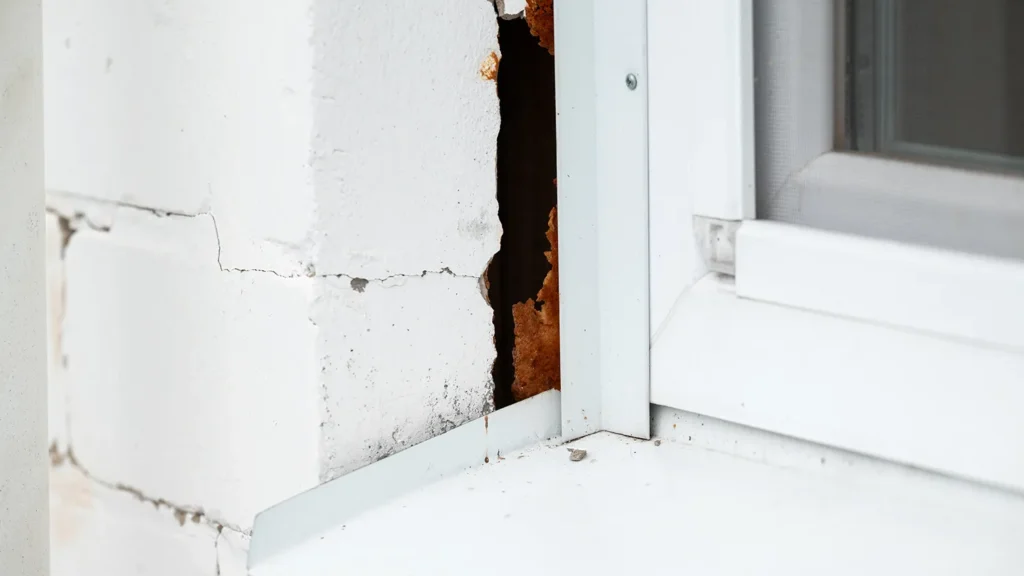
A stair-step crack through brick, a sloping floor, or doors that suddenly stop closing can make a normal home sale feel much more complicated. The first question many homeowners ask is simple: Do I need to fix the structural damage before I can sell?
Not necessarily.
Structural problems can affect price, inspections, financing, disclosures, and buyer confidence, but they do not automatically make a Rio Grande Valley property unsellable. The better first step is to understand what is actually known before spending heavily on repairs.
Homeowners generally have several options: make targeted repairs, repair and list traditionally, list the property as-is, or sell directly to a buyer willing to take on the work. If the house has problems beyond the structure, see our guide to selling a house that needs major repairs in the Rio Grande Valley.
Quick Answer
Yes, you can sell a house with structural damage in the Rio Grande Valley without repairing every problem first. The right approach depends on what is damaged, how certain you are about the cause, what other repairs the house needs, your budget, your timeline, and the type of buyer you want to attract.
First, Separate Visible Symptoms From a Real Diagnosis
One of the easiest ways to overspend before a sale is to treat every crack or sticking door as proof of major structural failure.
A crack is evidence of a crack. A door that does not latch shows that something has changed. Neither automatically tells you the cause or final repair cost.
The Texas Real Estate Commission notes that conditions such as sloping floors, non-latching doors, wall or ceiling separations, and cracking or deflecting masonry can be visible indicators inspectors consider when evaluating foundation performance. A standard home inspection is still a limited visual evaluation, not a full engineering investigation.
Structural concerns may involve:
- Foundation or slab movement
- Uneven or sloping floors
- Damaged beams, joists, piers, posts, or columns
- Framing or roof-structure damage
- Major wall or masonry displacement
- Structural wood rot or termite damage
- Fire or water damage that weakened framing
- Previous additions or structural changes with unclear permit history
Not every item means the house needs major reconstruction. When the likely repair is expensive or the cause remains uncertain, a qualified evaluation may help you make a better selling decision.
What Changes When a Structurally Damaged House Goes on the Market?
A damaged house can still sell, but buyers may evaluate it differently.
Buyers May Want More Information
A traditional buyer may request an inspection, repair records, foundation documents, warranties, contractor estimates, or further professional evaluation.
The clearer you can be about what is known—and what is not known—the easier it is for a buyer to assess the risk.
Financing and Price May Be Affected
Serious structural deficiencies can create appraisal or lender-related questions for financed buyers. They can also affect price because buyers consider both repair cost and uncertainty.
A documented problem with a clear repair scope is usually easier to evaluate than one whose severity is unknown.
Selling As-Is Does Not Mean Hiding Known Structural Problems
Selling as-is can reduce the work you complete before closing, but it should not be treated as permission to conceal a known defect.
Texas Property Code §5.008 generally requires sellers of qualifying residential property to provide a seller’s disclosure notice, subject to statutory exemptions. The statutory notice addresses matters including foundation or slab defects, structural components, previous structural or roof repairs, termite or wood-rot damage, and certain alterations made without required permits.
Homeowners can review the Texas Property Code seller disclosure requirements when researching their responsibilities.
If you are unsure what must be disclosed in your transaction, speak with a qualified Texas real estate attorney, licensed real estate professional, or title professional. This article provides general homeowner information, not legal advice.
Why Rio Grande Valley Property History Matters
There is no single cause of structural damage in South Texas.
Foundation movement can be connected to moisture changes, drainage problems, plumbing leaks, soil conditions, erosion, or construction issues. Older homes, vacant properties, inherited houses, rentals with deferred maintenance, and homes with previous additions may present different concerns.
The National Weather Service has also documented major hurricane wind damage in parts of Cameron, Willacy, and Hidalgo Counties. That does not make every structural issue storm-related, but a property’s history can matter when evaluating damage.
If a structural concern began with roof failure or long-term leaking, also review our guide to selling a house with roof damage in the Rio Grande Valley.
If moisture spread into walls, floors, or framing, our resource on selling a house with water damage in McAllen may also help.
Before Paying for Structural Repairs, Answer These Four Questions
1. Do You Know What Actually Needs Repair?
A repair quote is useful only if it addresses the real problem.
If one contractor recommends major work while the cause remains unclear, another qualified opinion may be worth considering before you commit substantial money.
2. Is Structural Damage the House’s Main Problem?
If the property also needs a roof, plumbing, electrical, HVAC, termite, or interior work, fixing the structure alone may not change which buyers are most likely to purchase it.
3. Can You Comfortably Fund the Work?
If repairs require expensive borrowing, delay a move, or strain an estate or family budget, selling without completing the work may deserve consideration.
4. Will Repairing First Improve Your Final Outcome Enough?
Do not compare only the future listing price with today’s as-is value.
Include contractor costs, additional repairs, utilities, insurance, property taxes, cleaning, carrying time, and normal selling expenses.
The useful question is:
After everything I spend to prepare the property, am I actually better off?
Which Selling Route Fits Your Situation?
| Your Situation | Path Worth Exploring | Main Trade-Off |
|---|---|---|
| Limited, well-understood structural issue | Repair first, then list | Upfront expense may open the home to more retail buyers |
| You do not understand the problem yet | Get targeted professional information first | Adds a step but may prevent unnecessary work |
| Structural damage plus several major repairs | As-is listing or direct-sale offers | Less preparation, but buyers will price repair risk into offers |
| You want maximum market exposure | Traditional listing | Broader buyer pool, but inspections and financing may create more negotiation |
| You want to avoid managing construction | Direct cash sale | Simpler preparation, but the offer reflects current condition |
There is no universal best choice.
If one manageable repair stands between you and a conventional sale, fixing it may make sense. If the structure is only one part of a larger rehabilitation project, an as-is route may be more practical.
Homeowners can also compare selling directly with listing through a real estate agent before deciding.
How to Sell a House With Structural Damage Step by Step
Step 1: Document the Current Condition
Photograph visible cracks, uneven floors, framing concerns, exterior separation, or water intrusion.
Do not enter unsafe crawlspaces, roofs, attics, or unstable areas simply to document damage.
Step 2: Gather Existing Records
Look for inspection reports, foundation or structural repair invoices, engineering documents, warranties, termite reports, insurance records, building permits, and prior seller disclosures.
Old records can reduce uncertainty and prevent duplicated investigation.
Step 3: Decide Whether More Evaluation Is Worth It
If the condition is unclear and the answer could materially change your selling decision, consider appropriate professional guidance.
The goal is not to make the house perfect. It is to understand enough to choose a sensible selling path.
Step 4: Check for Related Permit or Code Issues
Structural repairs, additions, conversions, and major alterations can involve permits or inspections.
McAllen’s building inspection guidance includes foundation and framing inspections among its inspection categories. Requirements may differ in Edinburg, Mission, Pharr, Harlingen, Brownsville, and other Rio Grande Valley communities.
If you already have a municipal notice or unresolved permit concern, review our guide to selling a house with code violations in the Rio Grande Valley.
Step 5: Put Real Numbers Beside Each Option
Ask a local real estate agent what listing the property in its current condition could look like. Obtain repair estimates if repairs are realistic, and request written direct-sale offers if that option interests you.
Compare the cost, work, and risk of each path rather than focusing only on the advertised sale price.
Step 6: Read the Contract, Not Just the Offer Price
Before accepting any offer, understand the inspection or option provisions, financing contingencies, seller-paid expenses, repair requirements, closing date, title arrangements, assignment provisions, possession terms, and conditions that allow renegotiation or termination.
A strong price can become less attractive if the contract shifts major costs or uncertainty back to you.
Example: Selling a House With Structural Damage in San Juan, TX
Consider a hypothetical homeowner preparing to sell an older house in San Juan.
Two bedroom doors have become difficult to close, cracks have appeared above several openings, and part of the living room floor feels uneven. The homeowner also finds paperwork showing that foundation work was performed several years earlier.
Instead of painting over the cracks and immediately listing, the owner collects the previous repair records and warranty information first.
If a qualified evaluation shows the current problem is limited and economical to correct, repairing before listing may open the home to more conventional buyers.
If the issue is extensive and the house also needs roof, plumbing, or interior work, the owner may decide that managing a major rehabilitation is not worthwhile. An as-is listing or direct sale may then be more practical.
Better information makes the choice easier.
Common Mistakes to Avoid
Renovating Around the Problem
New paint, flooring, fixtures, or landscaping will not resolve an underlying structural issue.
Understand the expensive problem before spending heavily on cosmetic improvements.
Treating One Repair Quote as the Final Diagnosis
A repair proposal and an independent evaluation do not always serve the same purpose.
Make sure you understand what was inspected and what the estimate actually covers.
Throwing Away Old Repair Documents
Previous foundation work does not automatically hurt a sale. Good documentation can reduce uncertainty for both the seller and potential buyers.
Assuming “As-Is” Removes Disclosure Questions
It does not automatically remove applicable Texas seller-disclosure obligations.
Choosing a Buyer Before Reading the Terms
Cash alone does not make an offer good.
Price, contingencies, closing expenses, assignment language, inspection rights, title requirements, and the buyer’s ability to perform all matter.
What Should You Ask a Cash Home Buyer?
If a direct sale is one of the options you are considering, ask:
- Are you purchasing the property yourself?
- Is the offer dependent on financing?
- Will I be required to complete structural repairs?
- Can the purchase price change after an inspection?
- Which closing expenses am I responsible for?
- Which title company will handle closing?
- What happens if a lien or ownership issue appears?
- Is there any fee or obligation if I do not accept the offer?
You can also review how EMR Investments LLC buys houses in the Rio Grande Valley and the company’s frequently asked questions before comparing a direct offer with your other options.
Frequently Asked Questions
Can I sell a house with structural damage in Rio Grande Valley, TX?
Yes. You can repair the damage, list the property as-is, or sell directly to a buyer willing to purchase the home in its current condition.
Do I have to repair structural damage before selling a house in Texas?
Not always. The right decision depends on the severity of the problem, repair cost, the rest of the home’s condition, your budget, and your selling timeline.
Can I sell a house with foundation problems in the Rio Grande Valley?
Yes. Foundation problems may reduce the buyer pool or affect price, but they do not automatically prevent a sale.
Should I get a structural engineer before selling?
It can be helpful when the cause or severity of a significant structural concern is unclear. The appropriate type of evaluation depends on the property and problem.
Does selling as-is mean I do not have to disclose structural damage?
No. An as-is sale does not automatically remove applicable Texas seller-disclosure requirements.
Will structural damage lower my home’s selling price?
It can. Buyers may consider expected repair costs, uncertainty, financing concerns, and the overall condition of the property when making an offer.
Will a cash home buyer purchase a house with structural damage?
Some cash buyers purchase homes with foundation, framing, roof, water, or other major repair issues. Compare the offer terms and your other selling options before deciding.
You Do Not Have to Repair Structural Damage Before Selling
Structural damage changes the questions you need to ask, but it does not remove your ability to sell.
Find out what is actually known about the condition. Gather previous repair records. Decide whether additional evaluation would change your decision. Check for related permit or disclosure concerns. Then compare the financial and practical outcome of repairing, listing as-is, and selling directly.
If you want to sell as-is without repairs, realtor commissions, or closing costs, EMR Investments LLC can review your property and provide a fair local cash offer.
Homeowners who prefer a direct sale can learn more about how EMR Investments LLC buys houses in the Rio Grande Valley or request a cash offer for their property.
A direct offer is one option to compare—not a decision you have to make before understanding the alternatives.